Take our quiz to find the best commercial zero-turn mower or best residential zero-turn mower for you.
Easily compare all riding lawn mower attachments to see how you can get more out of your mower.

Your local dealer can also offer great service and support for your riding lawn mower. Find the dealer nearest you.
Elite performance doesn't need to cost elite money. Get 0.98% APR financing for 48 months on any new Grasshopper zero-turn mower.
Your ultimate guide to fall lawn care
Key takeaways in this article
- Fall prep drives spring turf: Healthy spring grass starts in autumn with debris removal, low mowing, aeration, fertilization, and consistent watering.
- Rake leaves promptly: Unattended fallen leaves suffocate your turf and block the sunlight grass needs to stay healthy into winter.
- Follow the 1/3 rule: Mow fall grass on the lower side, but never cut more than one-third of the blade at once.
- Aerate, fertilize, hydrate: These three fall lawn care steps work in succession to strengthen roots, enrich soil, and build healthier grass.
- Mulch shredded leaves: Shred freshly raked leaves and reuse them as free mulch for young trees, shrubs, and flower beds.
There is one dream that every lawn lover shares: the perfect springtime turf. Turning that dream into a reality, however, is not always the easiest thing to do. For those yet to achieve the pinnacle of lawn perfection, we’ll let you in on a secret—a little autumn prep goes a long way. If you want your grass to withstand the seasons ahead, you better roll up your sleeves and get to work now.
First step? Prep.
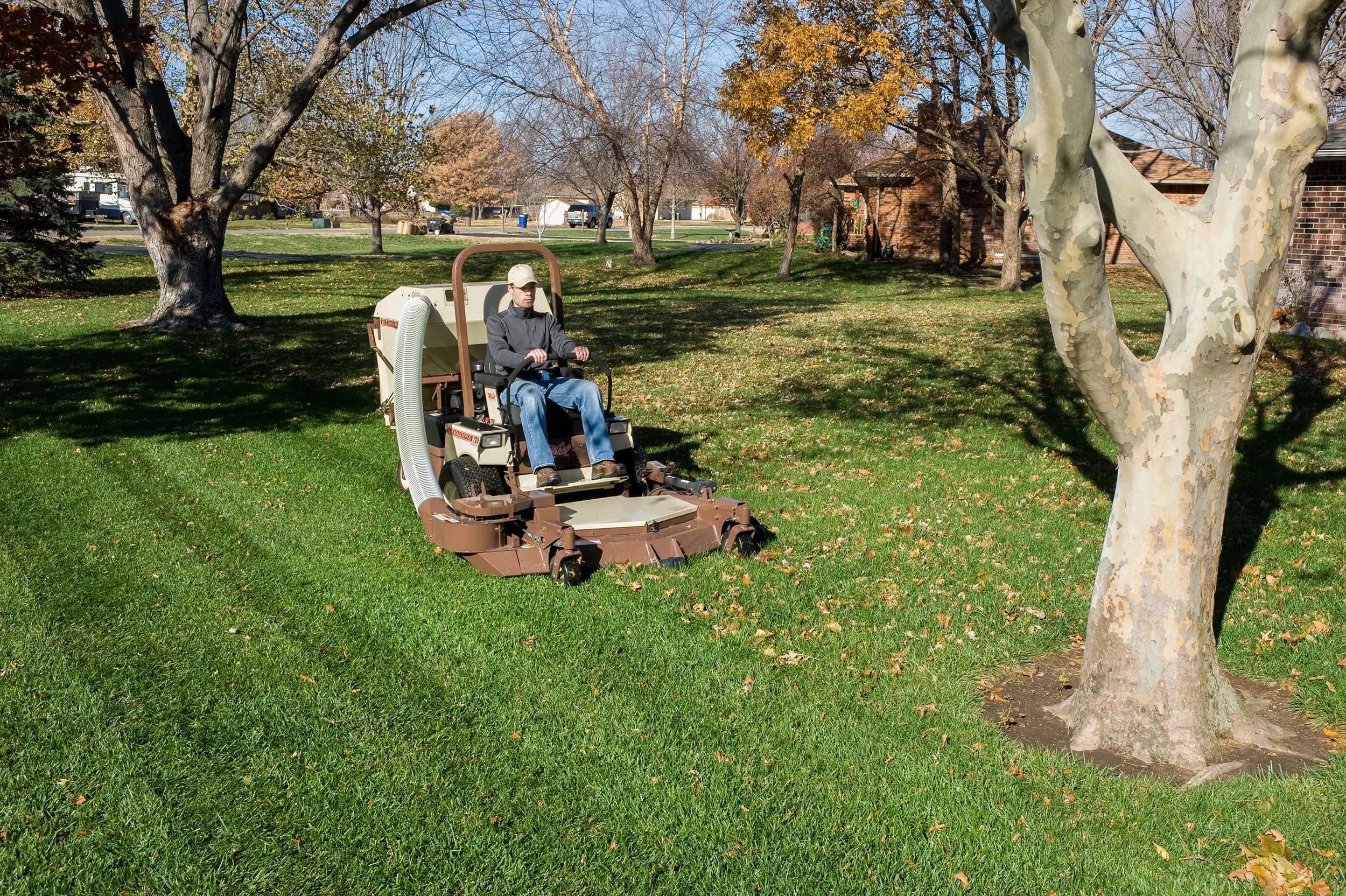
Start by removing any debris or dead plants from your garden or landscaping. This will help prevent the spread of disease during the spring growing season. Next, rake and remove any fallen leaves from your grass. Unattended leaves will suffocate your turf and block it from receiving necessary sunlight. For the most out of your manhours, shred those freshly raked leaves and use them as mulch for young trees, shrubs, and flower beds.
Mow low, mow often
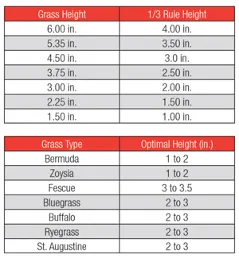
If you want your turf to withstand the winter and thrive in the spring, finding the right mowing height will make all the difference. While cool-season grasses and warm-season grasses differ when it comes to optimal heights, generally you’ll want to keep your turf on the lower side. Mowing low will help the sun reach the crown of the grass and promote healthy growth. However, cutting your grass too short can lead to sun damage and impede the development of a healthy root system. Play it safe and abide by the 1/3 rule for the cleanest, healthiest cut possible.
Aeration, fertilization, and hydration
The secret to a stress-free spring, aerating your turf will relieve damage in heavy foot traffic areas and create extra space in the soil for air, water, and nutrients.
Fertilization will help balance those pH levels and supply your turf with the essential nutrients it needs to make it through the winter. And finally, hydration will help your grass recover from summer stress while also allowing fertilizer to dissolve and soak into the soil.
For the best-looking lawn come springtime, you have to be ready to put in a little extra work in the fall. Follow this short list and your lawn will be picture perfect in no time.
An unlikely-sounding combination, aeration, fertilization, and hydration are a fall lawncare hat trick, working in succession to strengthen your roots, enrich your soil, and build a healthier grass system.
Ready to talk to a dealer?
Frequently asked questions
Prepare your lawn for winter by clearing debris and fallen leaves, mowing on the lower side using the 1/3 rule, then aerating, fertilizing, and watering. Removing dead plants helps prevent disease from spreading in spring, while aeration, fertilization, and hydration work together to strengthen roots and enrich the soil before cold weather sets in.
Yes, you should rake and remove fallen leaves in the fall, because unattended leaves suffocate the turf and block the sunlight grass needs. Instead of bagging them, shred the raked leaves and use them as mulch for young trees, shrubs, and flower beds so the work pays off twice.
Cut your grass on the lower side in the fall, but never remove more than one-third of the blade in a single mow — the 1/3 rule. Mowing low helps sunlight reach the crown of the grass, while cutting too short risks sun damage and a weak root system. Optimal heights also differ between cool-season and warm-season grasses.
Aerating and fertilizing your lawn in the fall — paired with proper hydration — strengthens grass roots and enriches the soil before winter. The three steps work in succession to build a healthier grass system, setting up the turf to withstand cold weather and thrive in spring.
Shred fallen leaves and use them as mulch for young trees, shrubs, and flower beds. Shredding freshly raked leaves turns yard waste into free protection for your plantings, and clearing them off the grass at the same time keeps the turf from being suffocated or starved of sunlight.
.webp&w=3840&q=75)