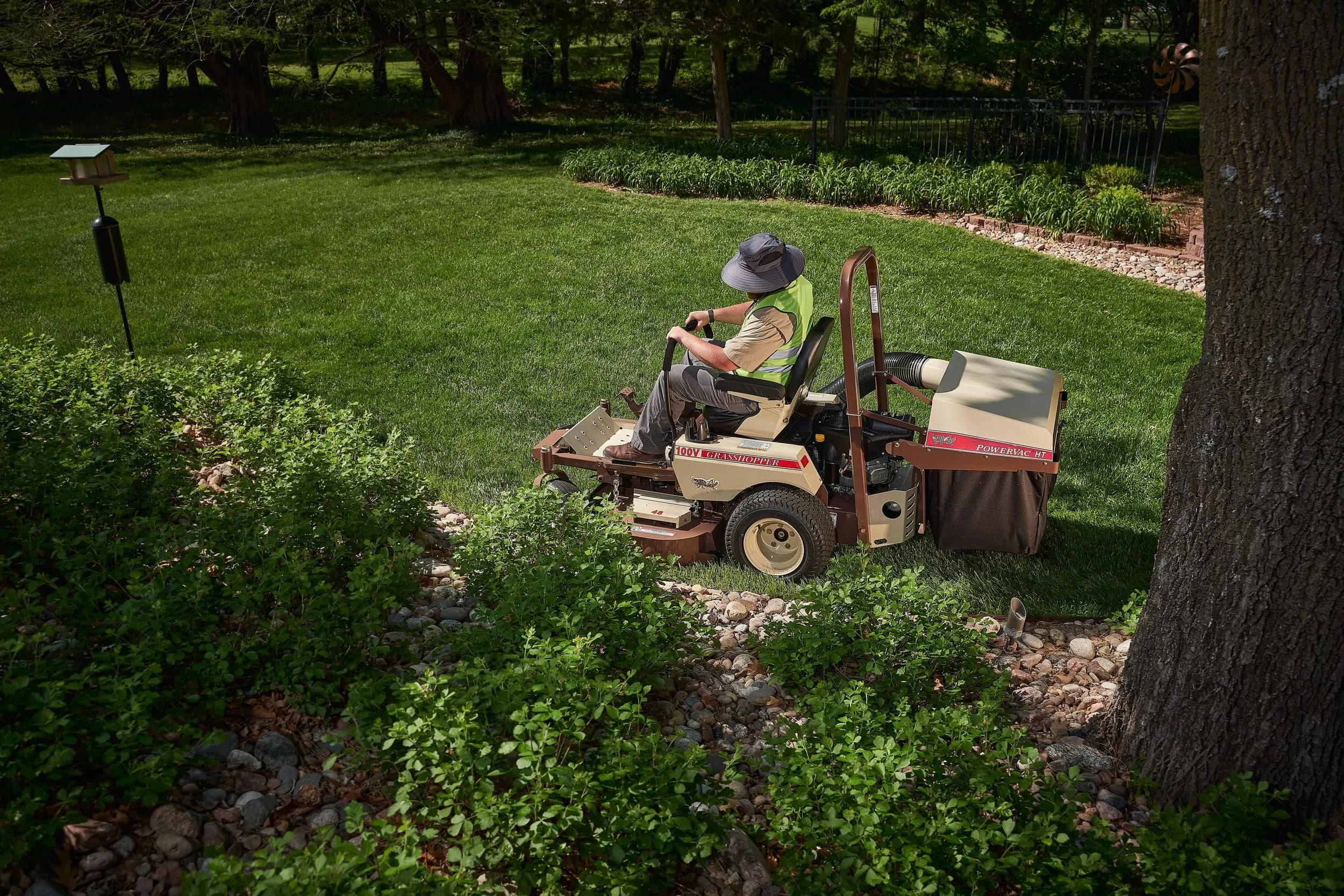
Take our quiz to find the best commercial zero-turn mower or best residential zero-turn mower for you.
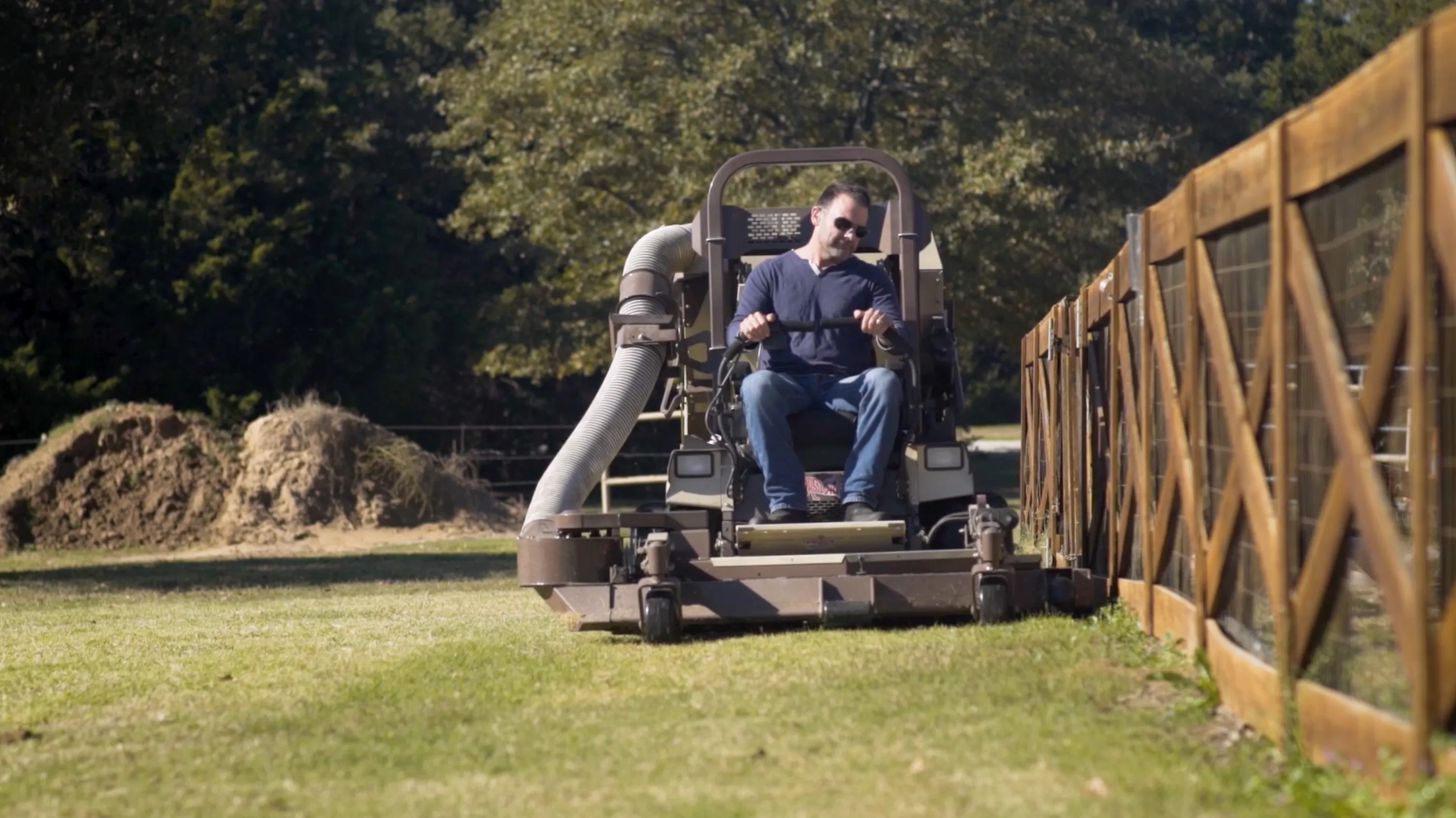
Easily compare all riding lawn mower attachments to see how you can get more out of your mower.
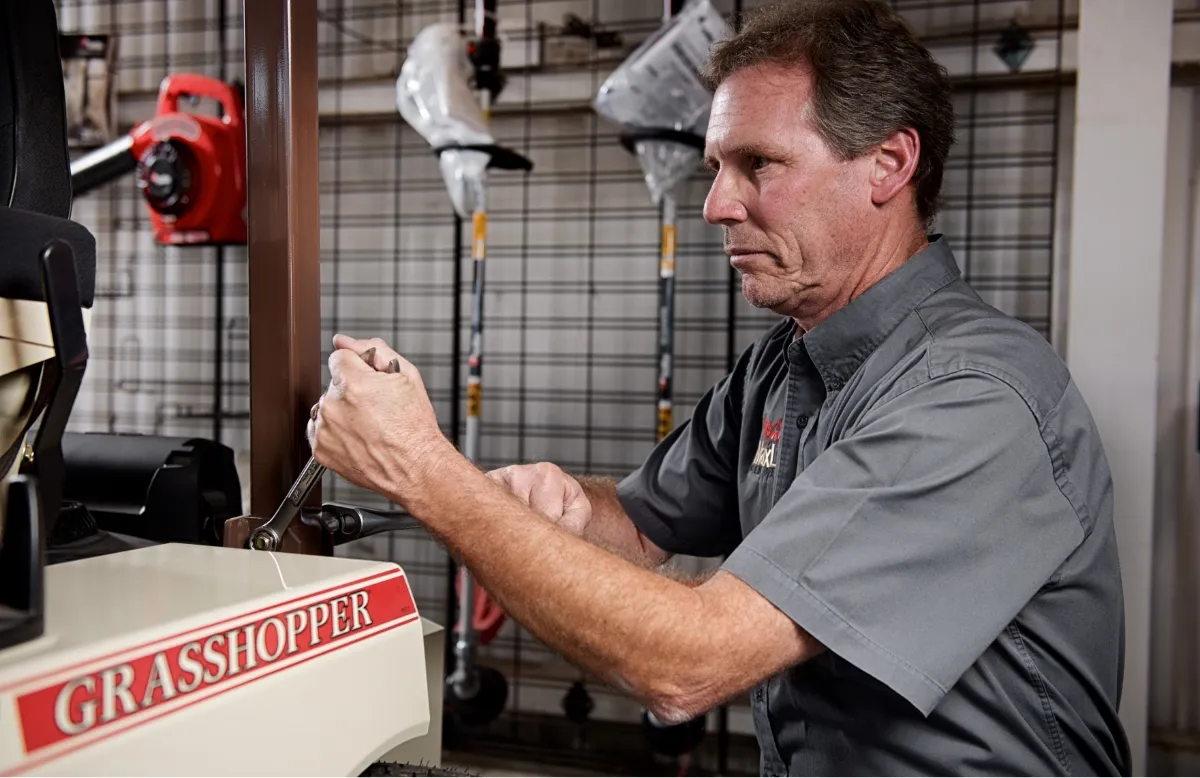
Your local dealer can also offer great service and support for your riding lawn mower. Find the dealer nearest you.
Elite performance doesn't need to cost elite money. Get 0.98% APR financing for 48 months on any new Grasshopper zero-turn mower.
Four tips to help you prepare your mower for spring
Key takeaways in this article
- Four steps before spring: Clean, refresh fuel, inspect belts and blades, and check tire pressure before the first spring mow.
- Clean the deck and exterior: Remove dried grass with low-pressure air, scrape the deck underside, then add a thin wax coat.
- Refresh the fuel system: Replace the fuel filter, drain old fuel, and add stabilizer to prevent carburetor gumming.
- Sharpen blades, check belts: Sharpen dull mower blades and inspect drive, mule, and deck belts, replacing worn ones with Kevlar.
- Check tire pressure: Inflate all mower tires to the recommended pressure, since uneven inflation directly degrades cut quality.
It’s the most wonderful time of the year — mowing season. With spring starting to shine through, it’s finally time to dust off your mower and continue your quest for the best-looking lawn in the neighborhood. Here are four easy tips on how to get your mower prepared for the long season ahead.
Cleaning
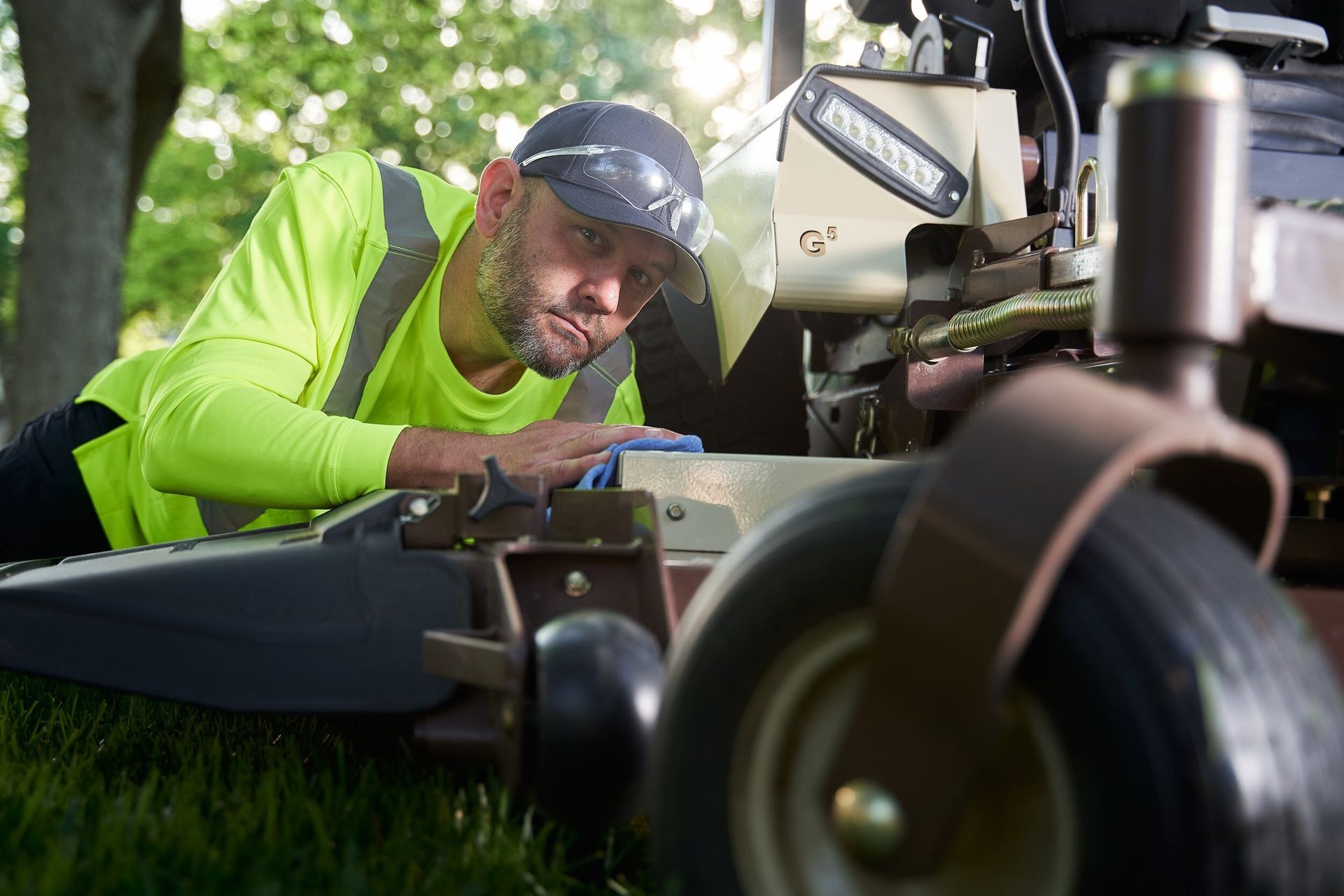
The first step to a sharp-looking cut? A sharp-looking mower. Grab a shop towel or some low-pressure air and get to work removing any dried grass or dirt from the exterior of your mower. Scrape the underside of your deck – a plastic ice scraper is perfect - and, if you don’t want your hard work to go to waste, throw a thin coat of wax over your freshly clean mower when you’re done.
Fuel
A new mowing season means its time replace your fuel filter and drain any of that nasty leftover fuel from your machine. Use a fuel stabilizer like STA-BIL® throughout the year to help preserve fuel freshness and prevent your carburetor from gumming.
Belts and Blades
Next, check the belts. Go ahead and take a look at your drive, mule, and deck belts, checking if any appear to be too worn or torn. If so, don’t hesitate to replace them. Kevlar®-type cord belts will work as the perfect replacement and are designed to perform through multiple seasons. Also, don’t forget to check out your blades. The start of a new season is the perfect time to make sure you are getting the most out of your mower with blades that are nice and sharp.
Tires
Finally, over- or under-inflated tires can be a major factor on the quality of your cut. Before you head out for your first mow, give your tires a good kick and make sure they’re inflated to the recommended pressure.
Start mowing season off right with these four quick tips. Of course, always consult your mower’s operation manual for full maintenance schedules and procedures, and always use OEM-specified replacements parts.
Ready to talk to a dealer?
Frequently asked questions
Get a lawn mower ready for spring by cleaning it, servicing the fuel system, checking the belts and blades, and setting tire pressure. Clear dried grass and dirt from the deck, replace the fuel filter and drain old fuel, inspect the drive, mule, and deck belts for wear, sharpen the blades, and inflate the tires to the recommended pressure.
Replace lawn mower belts when the drive, mule, or deck belts look worn, frayed, or torn during inspection. Check all three at the start of the season and swap any that show damage. Kevlar-type cord belts make a durable replacement, since they're designed to perform through multiple seasons.
Yes, use a fuel stabilizer in your lawn mower to keep fuel fresh and prevent the carburetor from gumming up. A product like STA-BIL added throughout the year preserves fuel freshness. At the start of the season, also replace the fuel filter and drain any leftover old fuel before your first mow.
Clean a lawn mower before mowing season by removing dried grass and dirt from the exterior with a shop towel or low-pressure air, then scraping the underside of the deck. A plastic ice scraper works well for the deck. Finishing with a thin coat of wax protects the freshly cleaned mower.
Yes, tire pressure affects how a lawn mower cuts — over- or under-inflated tires can be a major factor in cut quality. Before your first mow of the season, check that every tire is inflated to the pressure recommended in your operation manual. A quick tire check prevents an uneven cut later on.
.webp&w=3840&q=75)