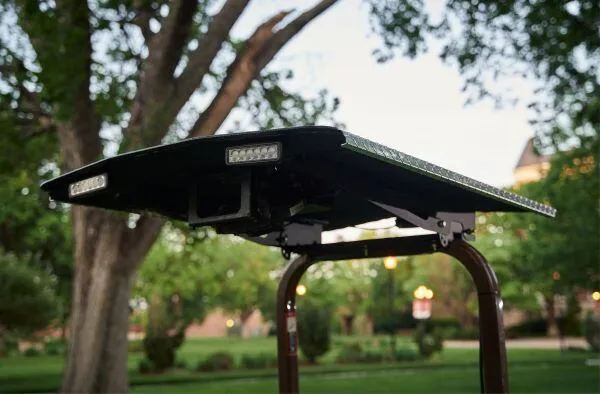
Take our quiz to find the best commercial zero-turn mower or best residential zero-turn mower for you.
Easily compare all riding lawn mower attachments to see how you can get more out of your mower.
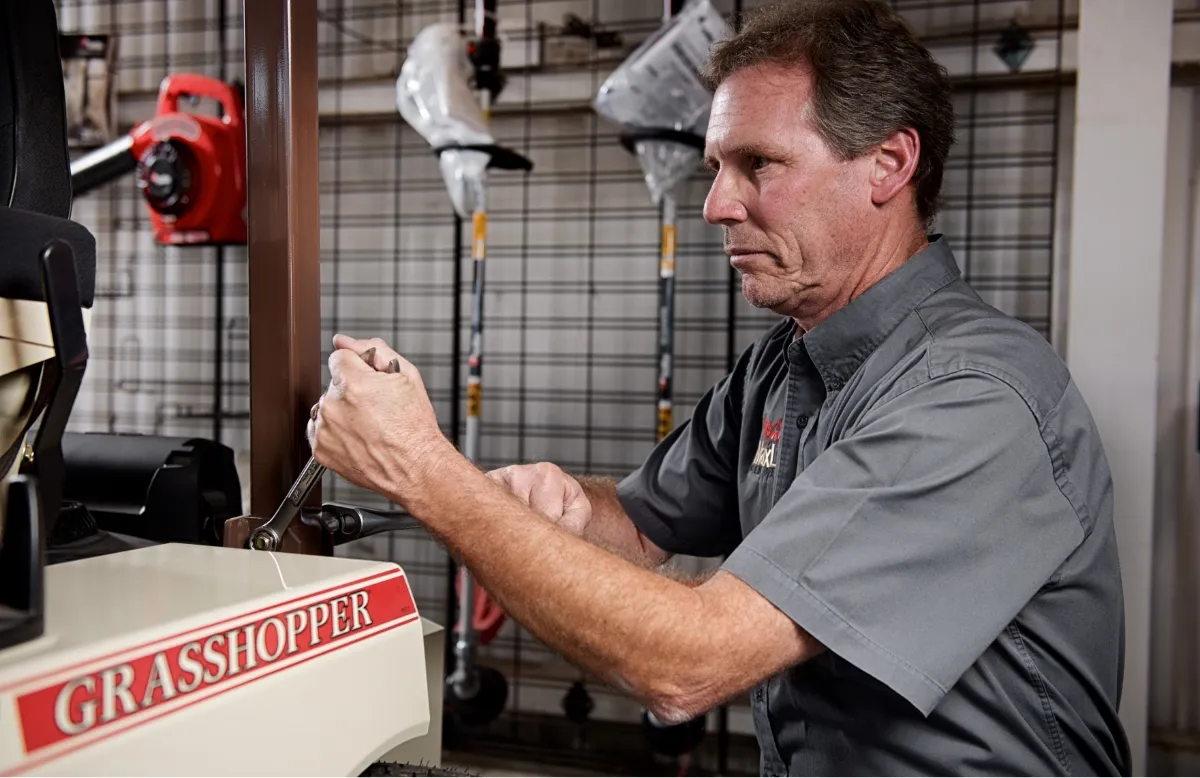
Your local dealer can also offer great service and support for your riding lawn mower. Find the dealer nearest you.
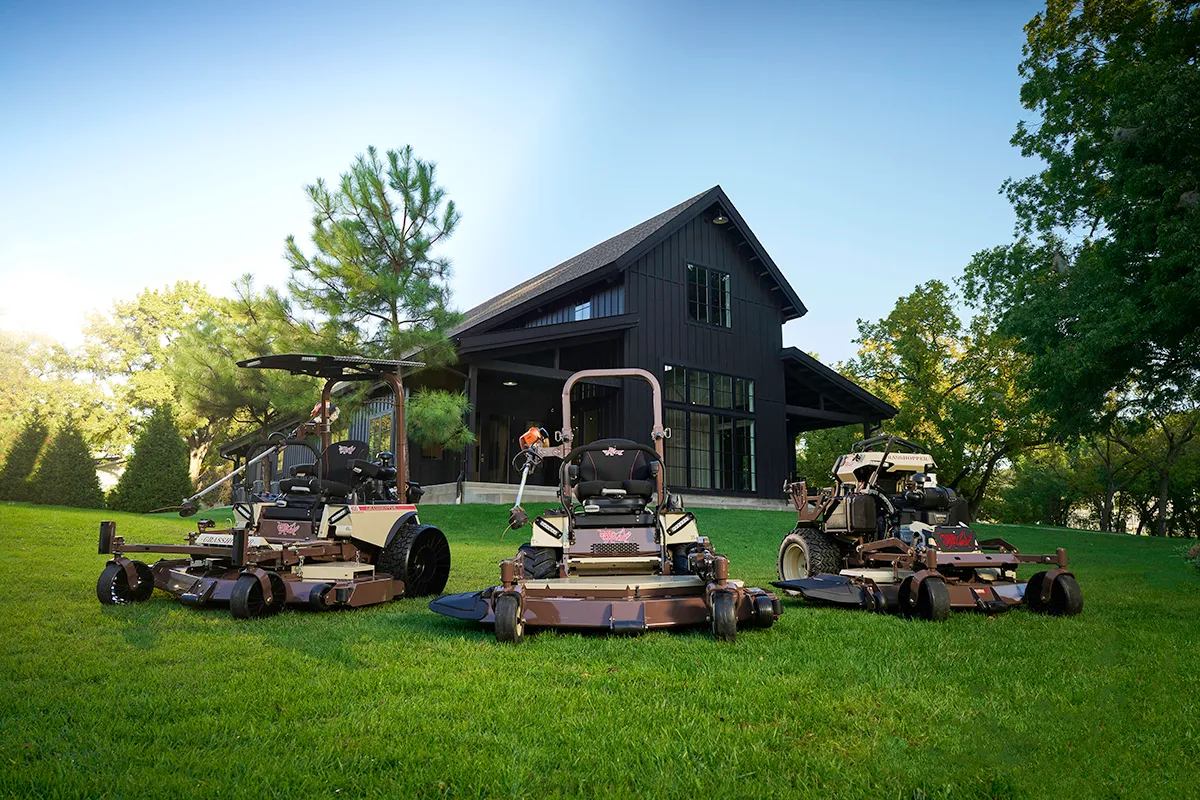
Elite performance doesn't need to cost elite money. Get 0.98% APR financing for 48 months on any new Grasshopper zero-turn mower.
Guide to starting a lawn care business–Part 2
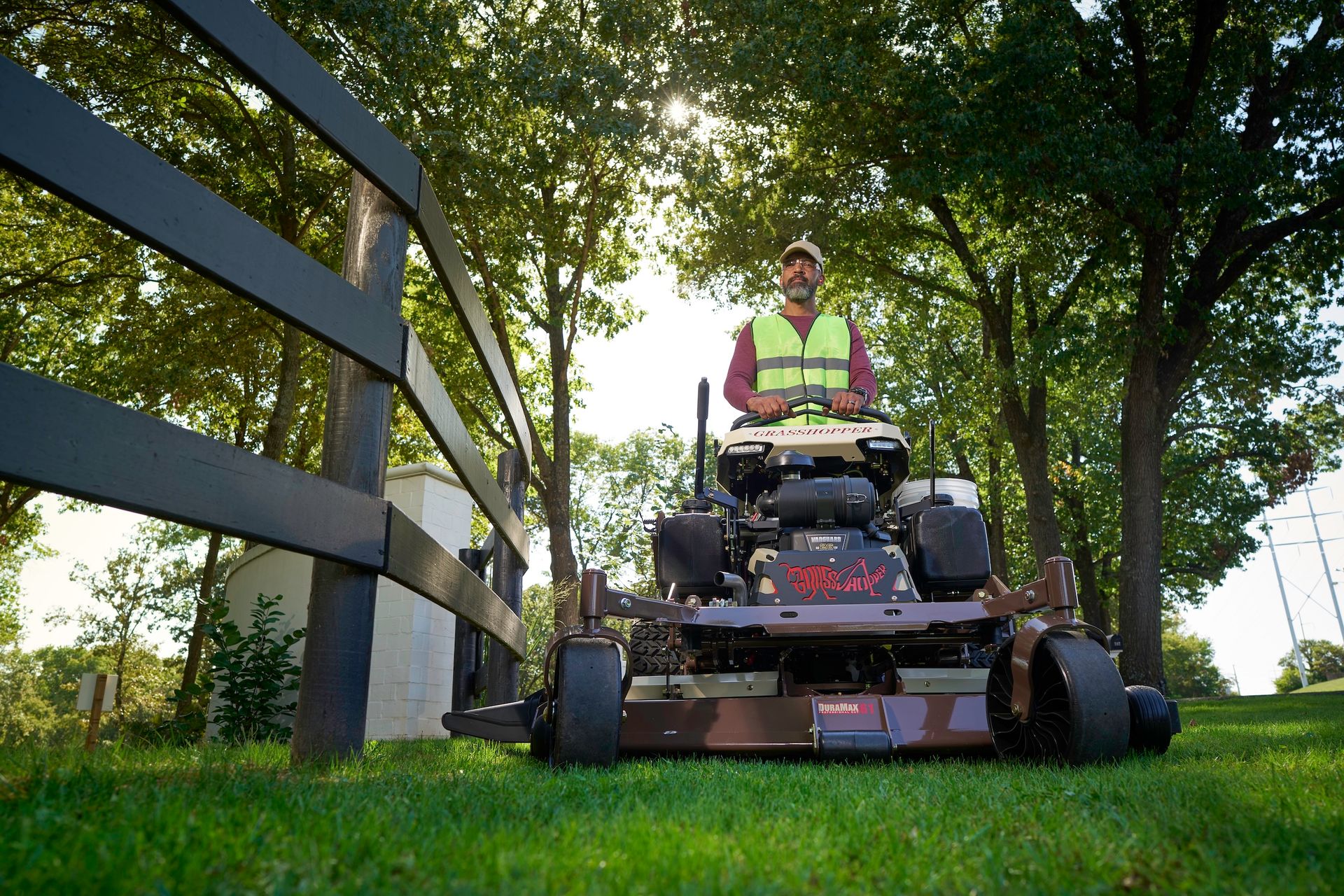
Key takeaways in this article
- Start with mowing: Begin a lawn care business with recurring mowing and maintenance, then add services as your customer base grows.
- Focus residential first: Target residential customers to build route density, since neighbors notice your work and word of mouth spreads quickly.
- Budget drives pricing: Price every job from a budget covering all expenses, including insurance, your own pay, and target profit.
- Find a partner dealer: A good equipment dealer matches mowers to your needs, arranges financing, and recommends reliable used machines.
- Form an LLC: An LLC is usually best for a new lawn care company — cost-effective, simple, and protects personal assets.
If you’re serious about starting a professional lawn care business that can provide for a great career, there’s a lot more to it than just buying some equipment.
We chatted with Gavin Dobson, product specialist at Grasshopper Mower, about the important decisions an aspiring entrepreneur needs to make when starting a lawn care business.
Which services should you offer?
Trying to do too much too soon can be overwhelming. Focusing on a recurring service like mowing and maintenance is a great way to break into the lawn care industry.
“There is always a large share of the population that likes to pay somebody else to mow their lawn,” Dobson says. “If you can do that well and be reliable, you can build up a customer base faster than you could with a lot of other landscaping services.”
From there you can start adding relatively simple services that are natural extensions of lawn maintenance, things like shrub pruning and light tree trimming, spring and fall cleanups, mulching, and others. Then, after your business is more established and you have a solid base of customers, it becomes easier to start expanding into other areas like aerating and dethatching, fertilizing and weed control, and even planting and hardscaping. But keeping things simple at the start will help you maintain focus, deliver superb quality, and build a strong reputation.
Establish your business and brand
When John Doe starts a mowing business, a logical name is John Doe’s Mowing Service, or something to that effect. To be honest, there is a certain value to that because John Doe himself is a big part of the value proposition for customers. If your vision is to always be the face of a small local company, that type of business name might be perfect.
On the other hand, if your vision is to grow and add services, and perhaps delegate more of the customer-facing activities to key employees, it’s important to think about a different type of business name. You want a brand that transcends an individual person.
“You also want a name that stands out,” Dobson says. “You want something people will see and remember when your trucks are driving down the road.”
You also want a business name you can legally use in your state. You can confirm this while registering your business with the appropriate state agency. In most cases, setting your business up as an LLC is best for a new lawn care company. It’s relatively straightforward and cost-effective, yet provides the personal protections you need when owning a business.
Most states have searchable databases so you can make sure the business name you want to use isn’t already in use. Once you’ve settled on a name, you simply file the necessary paperwork and pay the appropriate fee. If you are going to have employees, you also need to obtain an EIN (employer identification number) from the IRS.
Buy the right equipment
The best thing an aspiring lawn maintenance contractor can do is find a good equipment dealer that will truly be a partner in their business.
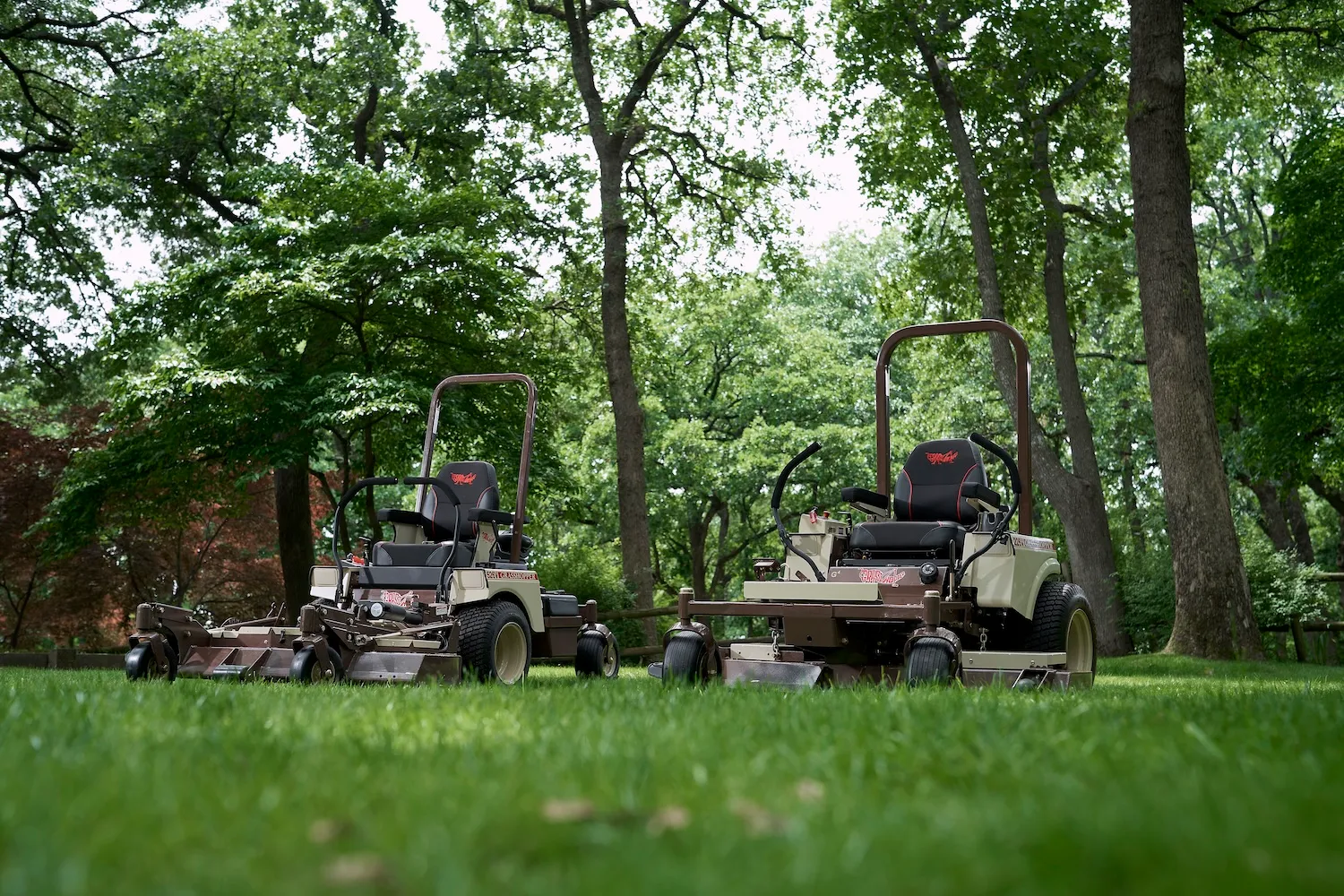
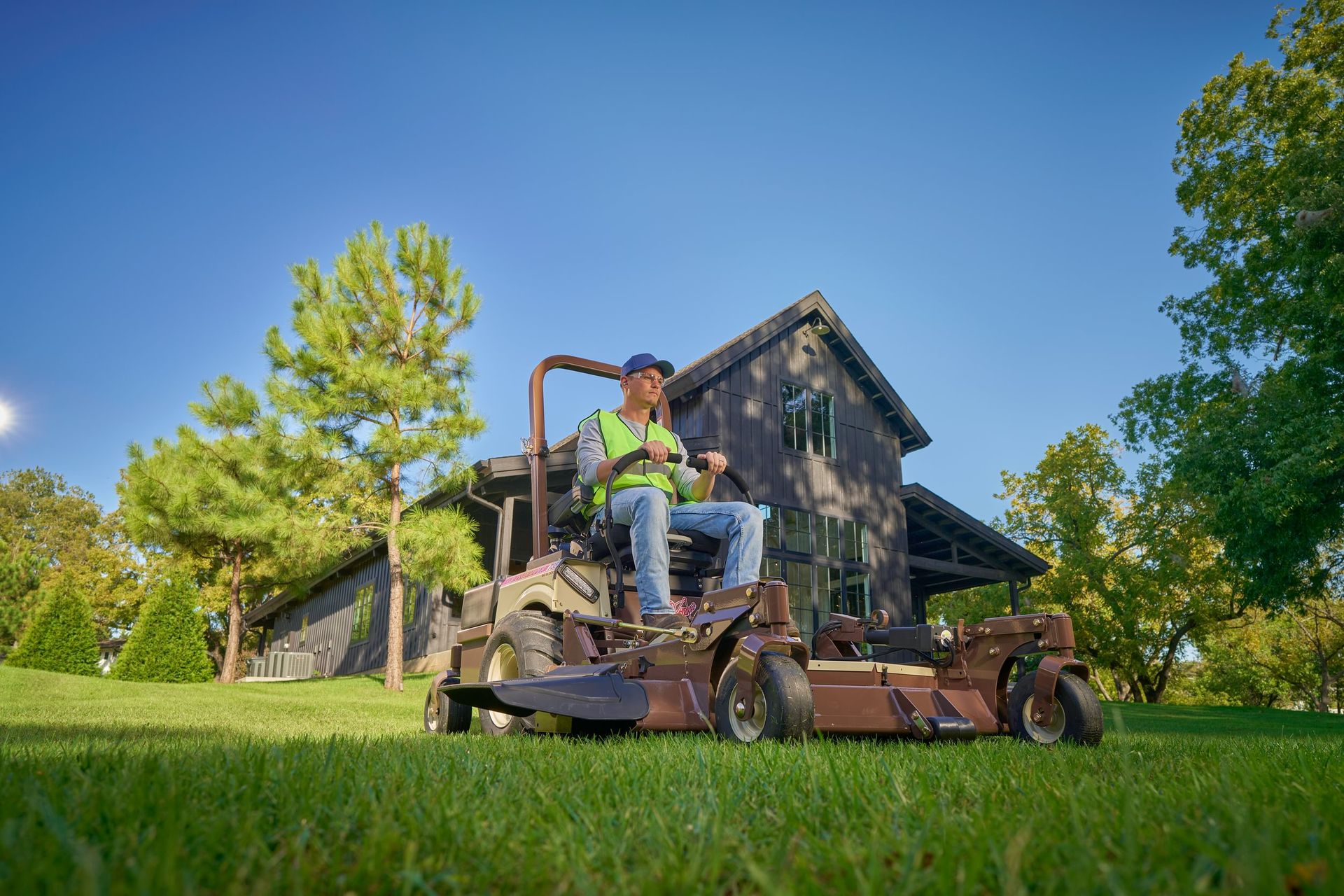
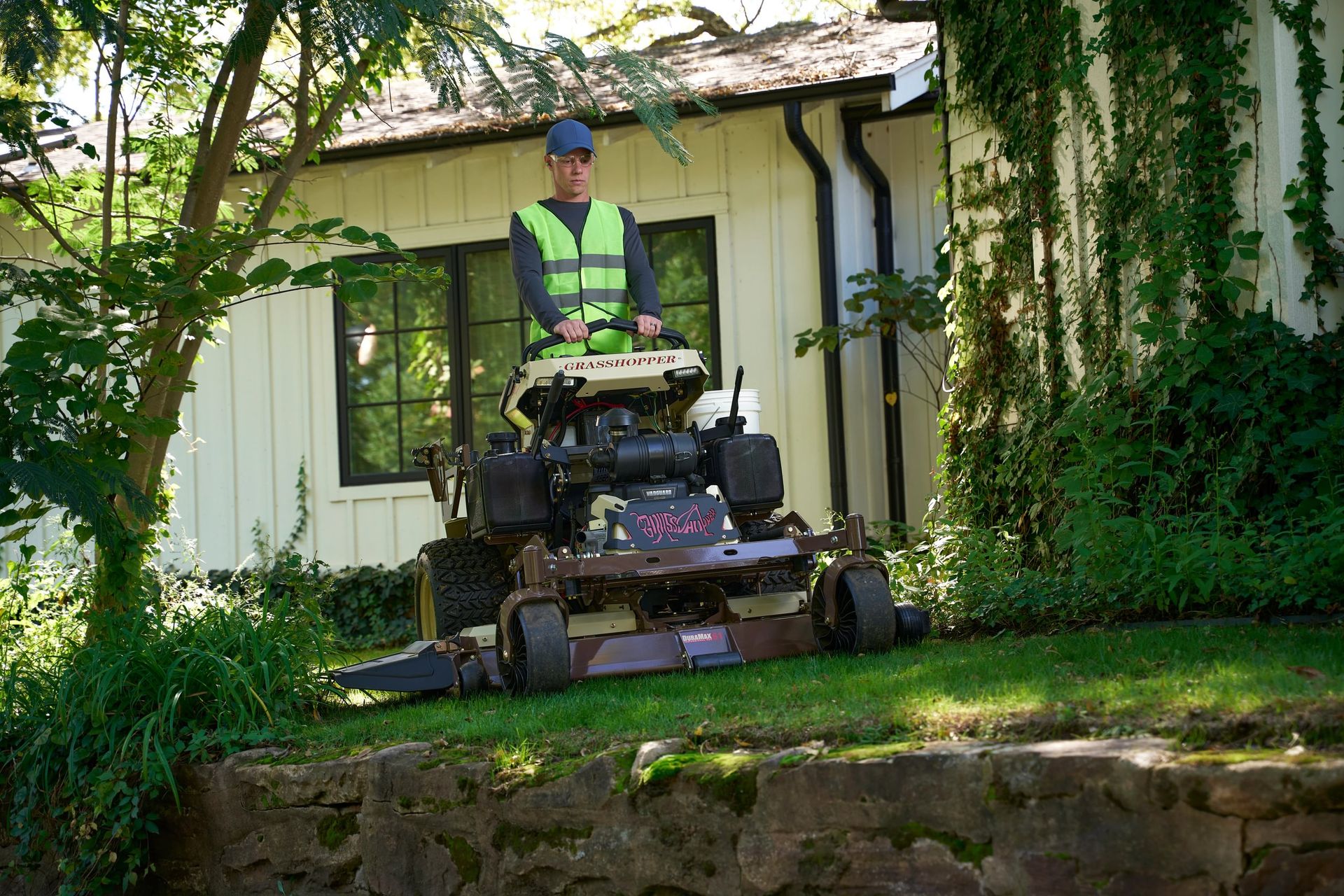
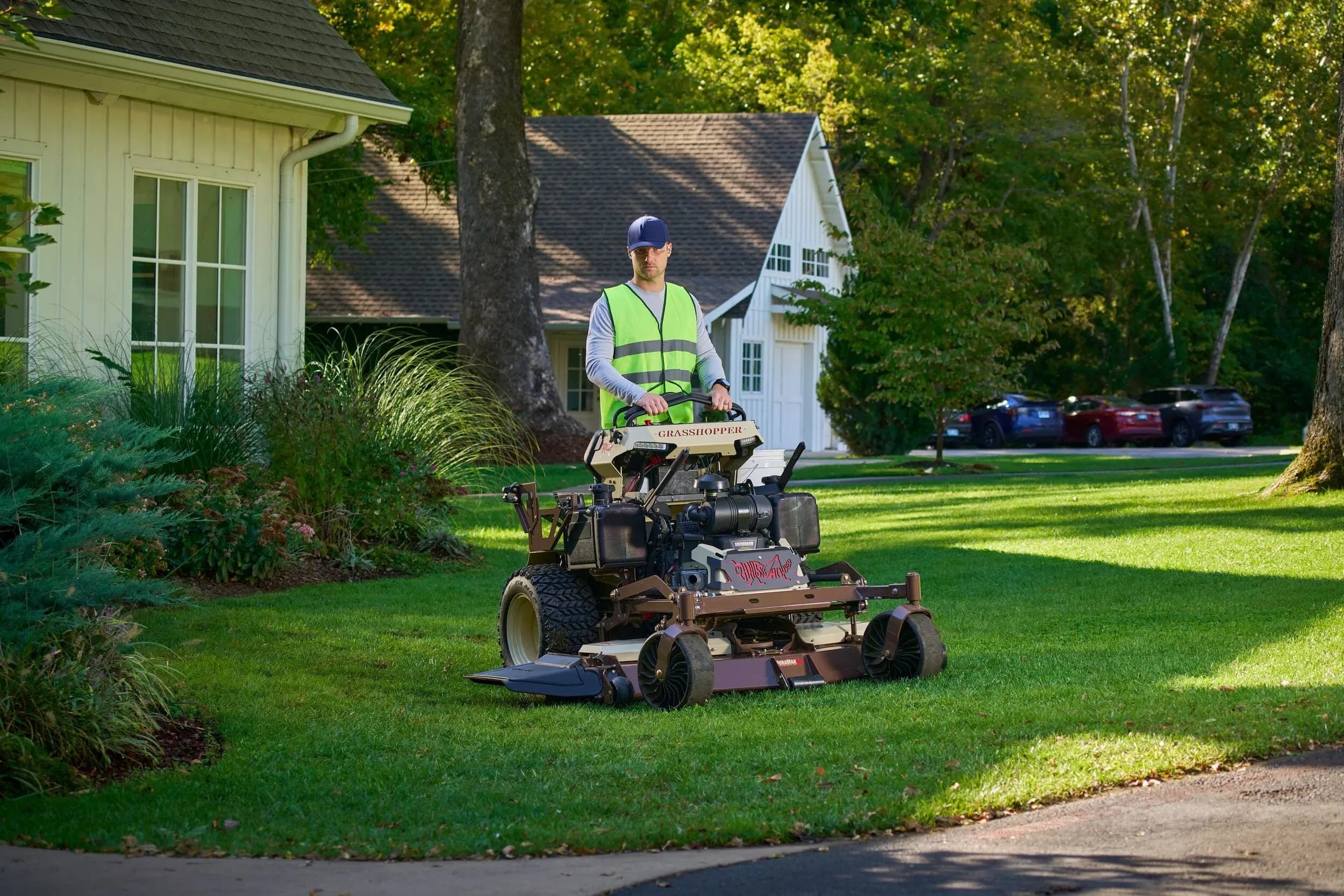
A good dealer will ask a lot of questions to help determine the best type of equipment for your needs. For instance, Grasshopper Mower FrontMount™, MidMount™, and OutStander® Stand-On zero-turn lawn mowers each have their advantages in different situations.
A good dealer will also help you figure out financing (if needed). They will also point you in the direction of some reliable used equipment if you’re looking to save a few bucks at startup. A quality used machine can often perform better than a brand new “cheap” mower—especially when that used machine is a Grasshopper Mower that’s engineered for durability.
That said, new equipment that is under warranty can provide the peace of mind a new business owner needs. If you already have some good-sized mowing contracts lined up, spending a little more on new equipment is usually the right way to go. But again, a good dealer will help you sort all of that out based on your needs and what’s available.
Create a budget and marketing plan
Once you have your business set up, you can start looking at all of your expenses (don’t forget about insurance) to create a budget. A budget will drive your pricing, because what you charge customers must allow you to cover your expenses, pay yourself, and generate whatever amount of profit you desire.
One of your expenses will likely be marketing. Dobson says you don’t need a ton of money to get started. You just need a clearly defined customer base you want to target, along with a strategy for getting your name out there.
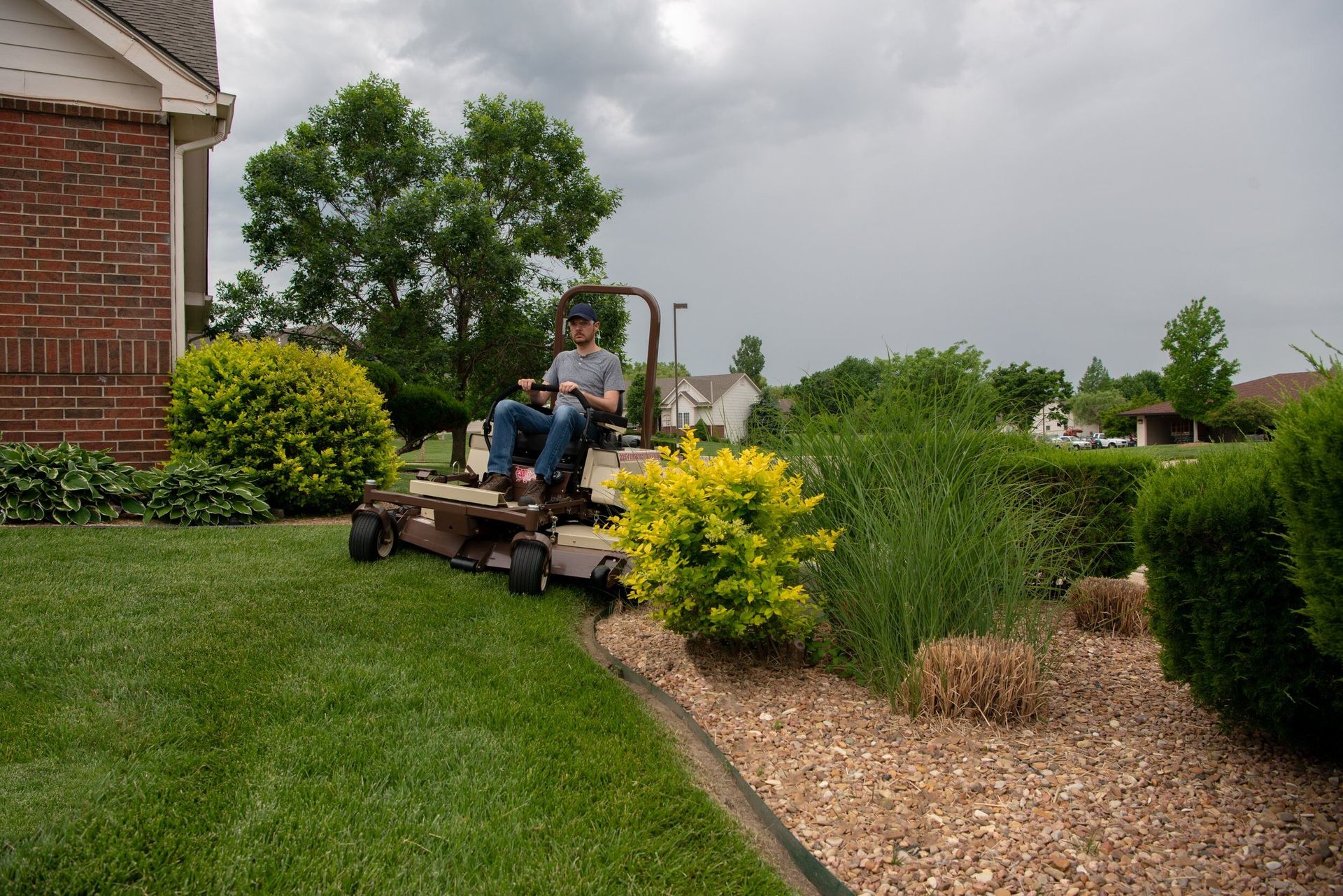
The residential market is typically the best place to get started with a new mowing business.
“A lot of people want to take care of those big commercial properties right when they start out,” Dobson says. “But those types of properties aren’t as simple as residentials. Commercial sites usually require a lot more time and attention to things like weeds and flower beds. It can be a lot to take on when you’re just getting started.”
On the other hand, building route density in the residential market can be much easier. Numerous potential customers will see you taking care of their neighbor’s property. Word of mouth can spread quickly in lawn care if you do a good job.
Route density is good for your bottom line too. “You don’t make any money when you’re driving all over town from property to property,” Dobson points out.
To help build word of mouth and route density, get some branding decals on your truck or trailer that include your phone number and email address. Go to a local print shop to get some door hangers created. Come up with a referral program where existing customers get “rewards” when recommending you to their neighbors. And make sure you have an online presence, whether that’s a website or simply a Google business listing or Facebook page, etc.
“Busy homeowners must be able to find you online and have a way to contact you,” Dobson says.
Never stop learning … and we are here to help!
In conclusion, starting a new lawn care business isn’t as simple as just buying a mower. Buying the right mower is a big part of it, but there are a lot of other things to think about if you want to get it right. This article should help get your wheels turning in the right direction. And keep an eye on our blog because we write about these types of topics all the time. If you ever want to learn more about insurance, budgeting, marketing, etc., you’ll find some great tips and advice right here.
Ready to talk to a dealer?
Frequently asked questions
Get customers for a new lawn care business by focusing on the residential market and building route density, so neighbors see your work and refer you. Word of mouth spreads fast when you do a good job, and tight routes keep you from losing money driving between properties. Branded truck decals, door hangers, a referral program, and a basic online presence all help.
Set your lawn care prices from a budget that covers all your expenses, pays you a wage, and leaves the profit you want. Start by tallying every cost, including insurance, which is easy to forget, then price each job to carry its share. Letting real numbers drive pricing protects your margin far better than guessing at a rate.
Start with a recurring service like mowing and maintenance, then add simple extensions once you have a steady customer base. There's always a large share of homeowners who would rather pay someone reliable to mow, so mowing builds a base faster than most landscaping services. From there, add shrub pruning, light tree trimming, seasonal cleanups, and mulching before expanding into aerating, fertilizing, and weed control.
Either can work. A quality used mower can outperform a cheap new one, while new equipment under warranty gives a new owner peace of mind. Lean on a good equipment dealer who asks about your needs, helps with financing, and can point you to reliable used machines. If you already have sizable mowing contracts lined up, spending more on new equipment is usually the right move.
In most cases, an LLC is the best structure for a new lawn care company because it's straightforward, cost-effective, and provides the personal protections an owner needs. Register the business with your state agency, confirming your chosen name isn't already taken in the state's searchable database, then file the paperwork and pay the fee. If you plan to hire employees, also get an EIN from the IRS.
.webp&w=3840&q=75)