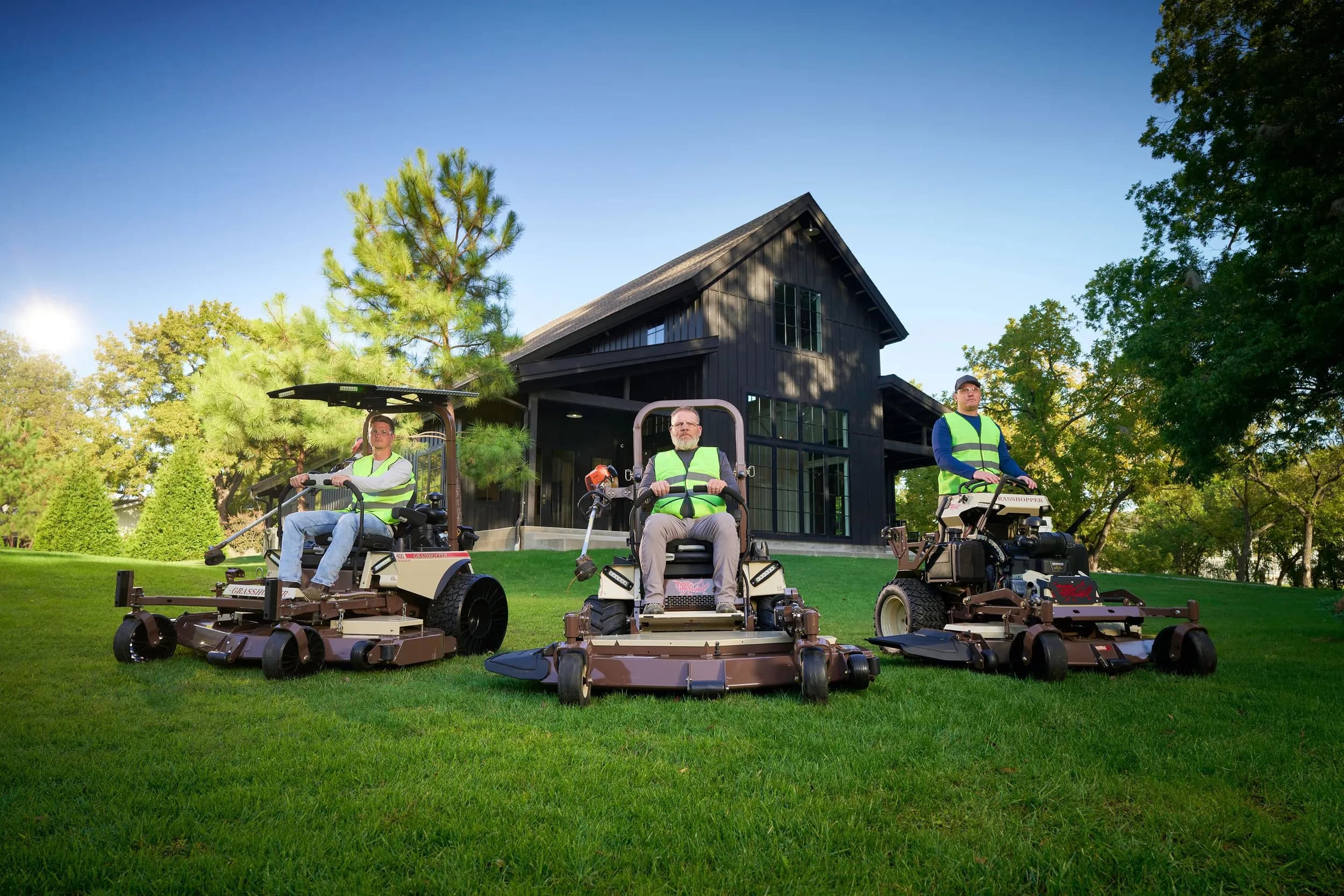
Take our quiz to find the best commercial zero-turn mower or best residential zero-turn mower for you.
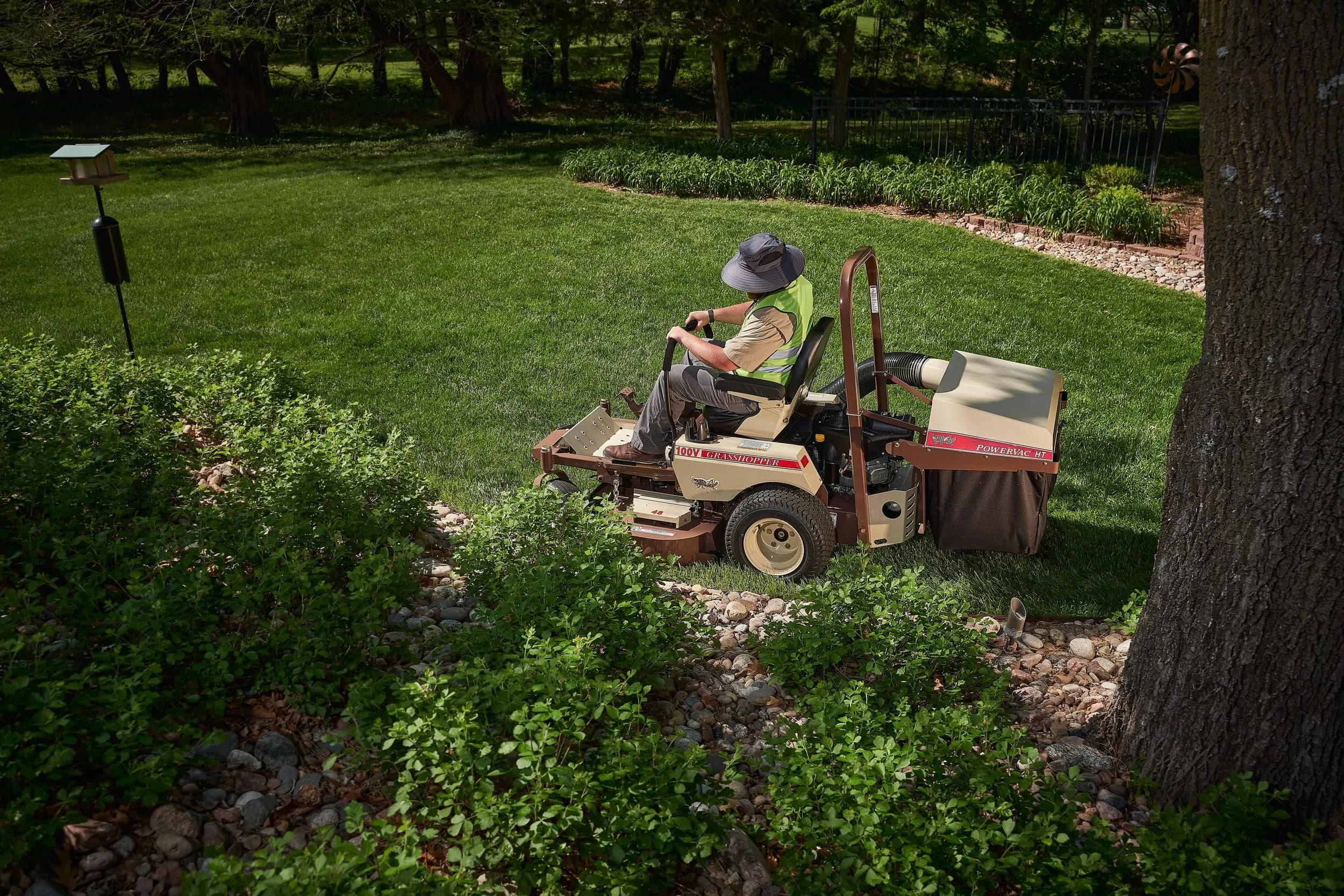
Easily compare all riding lawn mower attachments to see how you can get more out of your mower.
Your local dealer can also offer great service and support for your riding lawn mower. Find the dealer nearest you.
Elite performance doesn't need to cost elite money. Get 0.98% APR financing for 48 months on any new Grasshopper zero-turn mower.
Beyond the cut: Steps to keeping your lawn a summer showstopper
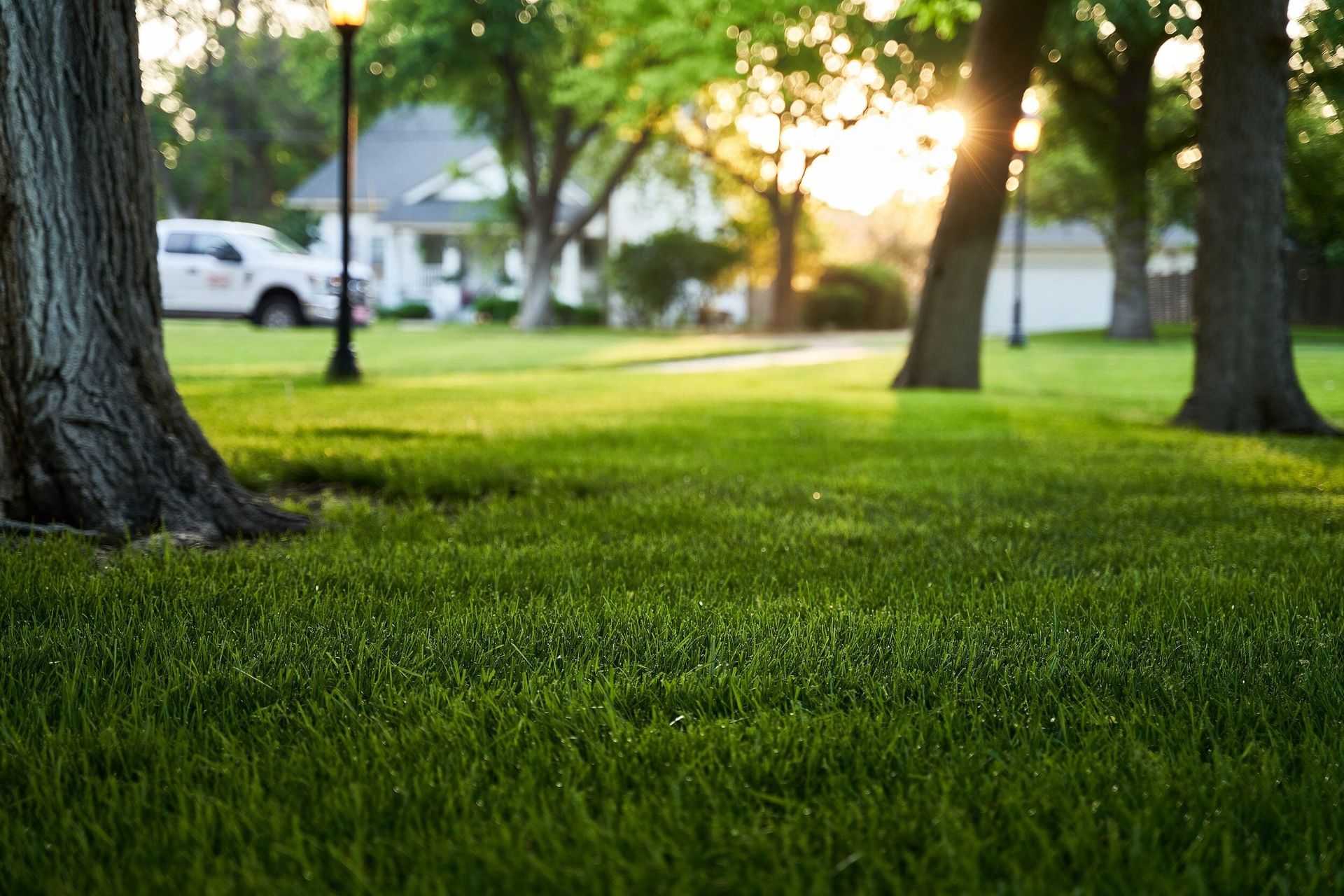
Key takeaways in this article
- Healthy grass first: Thick, well-fed turf is what makes crisp mower stripes possible, so summer lawn care comes first.
- Fertilize by grass type: Feed warm-season grasses in spring and cool-season grasses in fall, matching each type's growth.
- Water deep, not daily: Water until moisture reaches 4–6 inches deep, and space out watering so roots grow deeper.
- Mow high, cut a third: Remove only about one-third of the grass length so shaded soil keeps moisture and roots stay strong.
- Treat grubs early: Treat for grubs if you or neighbors had them last summer, since they eat grass roots.
If picture-perfect striping is what you’re after this summer, your ZeroTurn mower is certainly where you want to look. But that only goes so far without thick, healthy grass. We’ll take you through the lawn care steps to help you grow the ideal canvas for your stripes.
Know your turf
Do you have cool-season grass (like fescue, rye and bluegrass) or warm-season grass (like Bermuda, Zoysia or St. Augustine)? The first step is knowing the answer to this question because it’ll determine when to fertilize your grass and expect the best health and appearance.
Fertilize warm-season in the spring; cool-season in the fall—with cool-season grasses growing best with temperatures in the mid-60s and warm-season varieties preferring temps in the 70s (F).
Feed your turf
In the early summer, before the harsh heat and low rainfall take their toll, strengthen your lawn with a turf builder applied in the morning.
Give pests a treat(ment)
Got grubs? You may not know, as they can lie dormant for warmer weather to arise. Treat your lawn for grubs if you or any neighbors had a problem the previous summer. Many lawn pests begin as grubs and love to munch on your grass’s roots, causing patches and dead spots.
Mow high
Super short grass isn’t all it’s cropped up to be. Raise your MidMount™ or FrontMount™ deck to cut about 1/3 of the grass length at once. The extra shade on the soil keeps moisture and nutrients in your lawn, improving root strength.
Water (and mow) in the morning
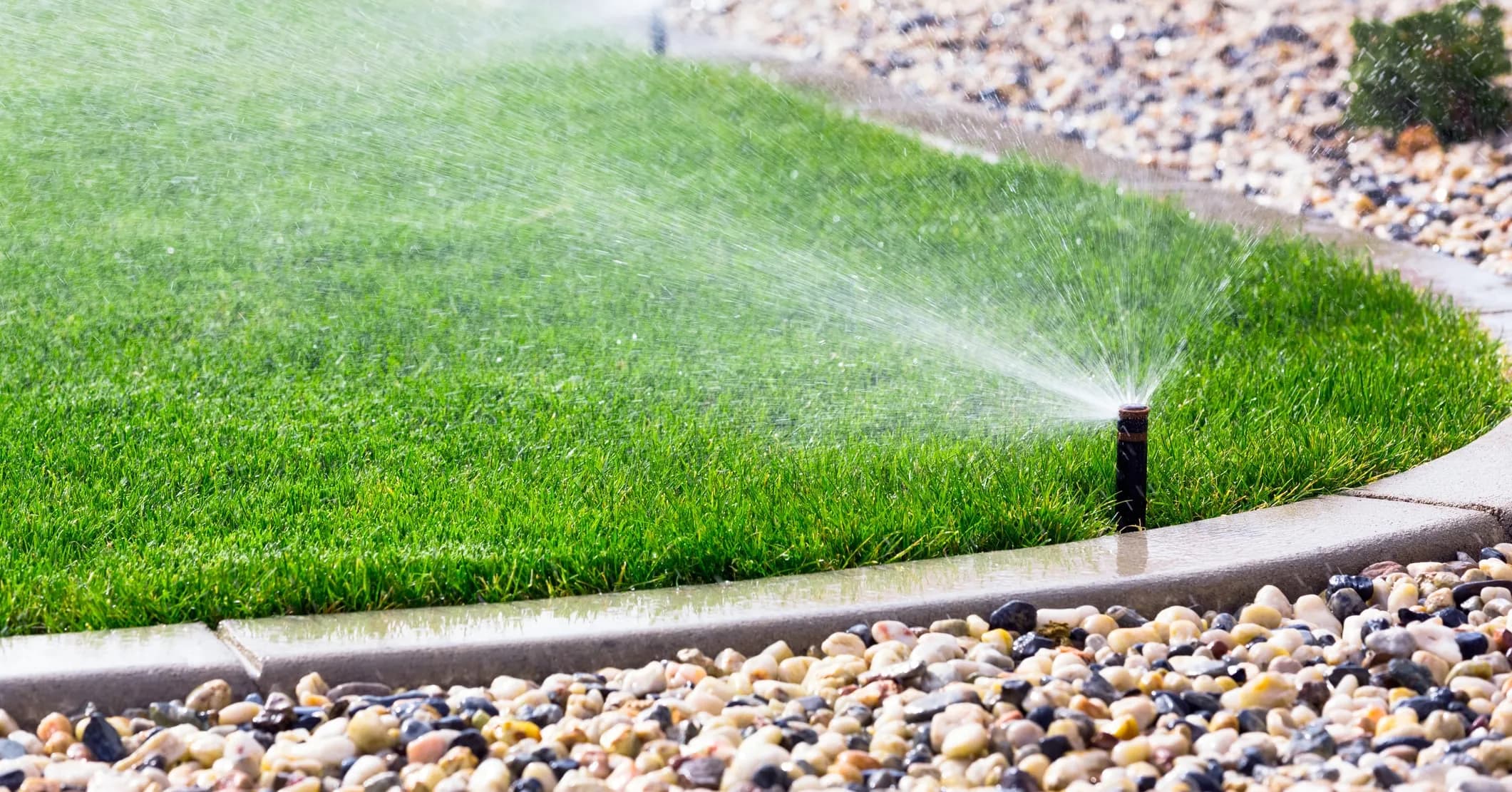
In mid- to late summer, when it gets cookie-baking hot outside, it’s best to mow earlier in the day between 6a.m.-10a.m., or later in the evening after peak-heat, which will vary from day to day throughout the summer months. Make sure you water the grass until moisture penetrates 4-6 inches into the soil so the roots are saturated. But don’t water every day. Your grass adapts to search lower soil depths for water when you space out your watering schedule. Watering too often can lead to run-off, which becomes wasteful and doesn’t reach the roots.
Proper summer lawn care isn’t rocket science, but it does take a few early mornings and some dedication. Try the tips above and check back for more lawn care tips for a yard that turns heads—in any season.
Sources: https://www.thisoldhouse.com/lawns/21244213/summer-lawn-care-tipshttps://todayshomeowner.com/summer-lawn-care-guide/https://www.scotts.com/en-us/library/lawn-care-basics/summer-lawn-care-tip
Ready to talk to a dealer?
Frequently asked questions
Fertilize warm-season grasses in spring and cool-season grasses in fall, timing it to when each type grows best. Warm-season varieties like Bermuda, Zoysia and St. Augustine prefer temperatures in the 70s (F), while cool-season grasses like fescue, rye and bluegrass thrive in the mid-60s. Knowing your grass type is the first step to fertilizing at the right time.
Don't water your lawn every day in summer; water deeply and less often so moisture penetrates 4 to 6 inches into the soil. Spacing out your watering trains the roots to search deeper for water, which strengthens the lawn. Watering too frequently causes runoff that's wasteful and never reaches the roots.
No, avoid cutting your grass short in summer; remove only about one-third of the blade length at a time. Taller grass shades the soil, which helps it hold moisture and nutrients and improves root strength. Raising your mower deck to follow this one-third rule keeps the lawn healthier through the heat.
The best time to mow your lawn in summer is early morning, between 6 a.m. and 10 a.m., or in the evening after peak heat has passed. Mowing outside the hottest hours avoids cutting the grass during the harshest midday heat. The exact window shifts from day to day as summer temperatures change.
Treat your lawn for grubs if you or your neighbors had a grub problem the previous summer. Grubs can lie dormant until warm weather, then feed on grass roots and cause patches and dead spots. Because many lawn pests begin as grubs, treating them protects the roots before damage spreads.
.webp&w=3840&q=75)