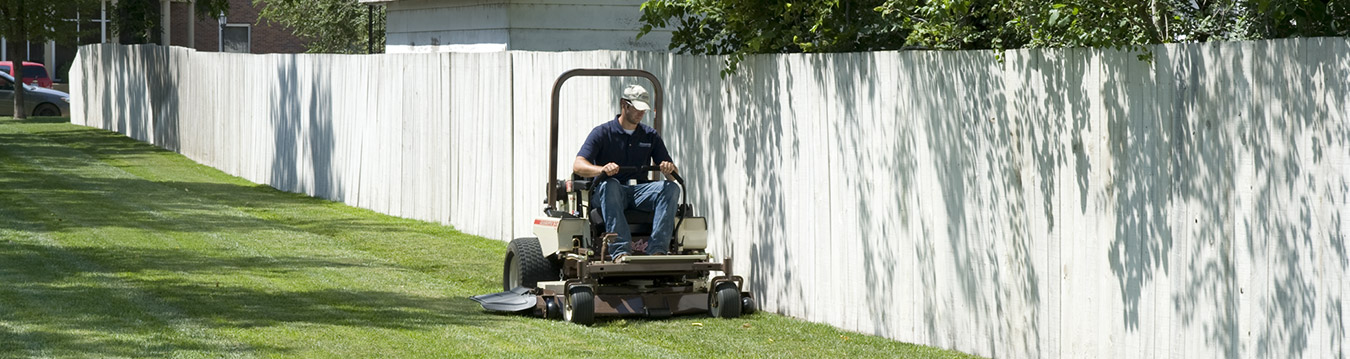
Reduce Fuel Consumption and Emissions from Mowing Equipment
Jun 28, 2012
The mowing season is at full-throttle, and even with fuel prices falling in recent weeks, landscape contractors and grounds maintenance managers are still feeling pain at the pump.
The peak of the mowing season, when mowing operations consume the greatest amount of fuel during the year, is a good time to evaluate efficiency and implement practical steps to reduce fuel consumption.
Reducing fuel consumption is especially critical in the hot summer months, as burning less fuel helps reduce emissions from mowing, which contributes to better overall air quality for outdoor activities.
1) Replace old equipment. New mowers feature much cleaner burning engines. Clean Diesel engines must be EPA Tier-4i or Tier-4 Final compliant, and gasoline engines must comply with EPA requirements for non-road spark ignition engines.
2) Match mower size to area. Mowing with equipment that is not suited to the acreage will increase time required to mow and fuel consumption. For areas larger than four acres, consider 23 hp and larger engines with 52-inch or larger cutting decks to reduce mowing time.
3) Reduce idling time. If the operator will leave the seat for more than 30 seconds, shut the mower down. Diesel mowers do consume less fuel at idle than under load (mowing), but reducing fuel consumption from non-production mowing not only reduces emissions, but also fuel expenses.
4) Reduce mowing speed. Mowing full-throttle not only consumes more fuel, but can also result in poor cut quality. When possible, slow down and enjoy better fuel efficiency and a better looking cut.
5) Maximize mowing time. Walk the property prior to mowing, and remove large debris and obstacles to reduce time required to stop the mower and pick up debris during mowing.
6) Mow as needed. Instead of mowing at set intervals based on contract terms, consider moisture content and growth rate to determine if mowing is necessary. Mowing when turf is in a slow-growth period (typically winter months and long intervals between precipitation events) can not only consume unnecessary fuel, but can have devastating effects on the long-term health and vigor of the turf.
7) Maintain equipment properly. Adequate tire pressure, clean filters, fresh fuel and sharp cutting blades will help the mower operate more efficiently and effectively. In addition, tire pressure and sharp blades have an impact on quality of cut.
8) Reduce mowing areas. If possible, consider adding ground covers or areas of native grasses that do not require mowing – especially in areas that aren’t suitable for a ride-on mower. Reducing the mowing area will reduce the amount of fuel necessary to maintain the mowed areas.
9) Mow in effective patterns. Incorporate mowing patters and striping that minimize duplicate passes to achieve a particular effect. With multiple separated areas to mow in one location, pattern such a way as to make the final pass closest to the starting point of the next mowing area to reduce transport time. Consider transporting mowers by trailer if the areas on the same campus are more than 3 minutes away by mower at the fastest ground speed.
10) Mulch instead of collect. Collecting clippings is important when the lawn becomes overgrown, when weeds are seeding, mowing in the proximity of a swimming pool, and in high-profile areas. Otherwise, consider mulching. The added weight of the vac drive and collector reduce fuel economy and increase fuel consumption. Mulching also returns natural fertilizer (clippings) to the turf and reduces the amount of lawn debris in landfills.
11) Use multipurpose equipment. Grasshopper implements and attachments are perfect for any landscaping task. The attachments are PTO-driven with no high-polluting auxiliary engines. Replace teams of backpack blowers with a Turbine Blower or Rotary Broom, and replace teams of hand-held string trimmers with an Edge-EZE lawn edger. Learn more about time-, labor- and fuel-saving attachments.
About Grasshopper A family-owned business with nearly 55 years of manufacturing experience, The Grasshopper Company has specialized in manufacturing True ZeroTurn™ riding rotary mowers since 1969. For 40 years, Grasshopper has studied the needs of government entities, turf care professionals and equipment owners across the nation and around the world. Grasshopper products are available through a worldwide network of knowledgeable, independent dealers offering sales, parts and service to turf care professionals, business and government entities, and discerning individuals.